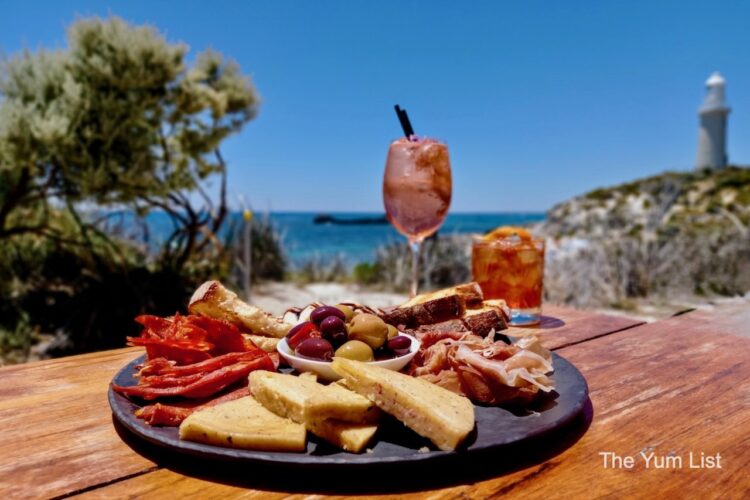
A Preference of Western Australia: Uncovering the Unique Culinary Traditions in Local Food
Western Australia boasts a varied cooking landscape formed by its geography and cultural heritage. From the abundant seafood harvested from its shores to Indigenous components that inform a tale of the land, regional cuisine reflects an ingrained link to location. Chefs are significantly welcoming lasting practices, while modern influences add layers of complexity to standard meals. This blend creates a vivid eating scene that welcomes exploration and discovery, meaning the abundant experiences that await.
The Bounty of the Sea: Fresh Seafood Thrills
Western Australia's coast, a stretch of excellent waters and lively marine life, offers a remarkable array of fresh fish and shellfish delights. Fishermen collect a wealth of species such as delicious shellfishes, tender squid, and various fish that prosper in the nutrient-rich waters. The area's unique location and temperate environment contribute to the outstanding high quality and flavor of the fish and shellfish. Local markets overflow with freshly captured prizes, where cooks and home cooks alike choose the finest ingredients. Restaurants happily showcase these offerings, often prepared with marginal interference to highlight their all-natural flavors. The cooking scene prospers on the connection in between the ocean and the plate, enabling restaurants to experience the true significance of Western Australia's maritime bounty.
Native Active Ingredients: A Taste of Shrub Foods
The culinary landscape of Western Australia is more enriched by the unification of indigenous components, which offer an one-of-a-kind connection to the land and its background. Indigenous plants and bush foods, such as finger limes, wattleseed, and bush tomatoes, are significantly featured in contemporary recipes, reflecting the area's abundant cultural heritage. These components not just provide unique tastes but likewise act as a demonstration of the sustainability methods of Aboriginal communities. Chefs are influenced by typical knowledge, using these components to create ingenious dishes that highlight their dietary benefits. By embracing native ingredients, the culinary scene in Western Australia promotes a much deeper appreciation for the atmosphere and the stories woven right into the textile of its food, celebrating both past and existing.
Farm-to-Table: Commemorating Local Produce
As regional farmers and artisans work together to bring fresh fruit and vegetables to the table, the farm-to-table activity in Western Australia flourishes, emphasizing the relevance of community and sustainability. This initiative attaches customers directly with the sources of their food, promoting seasonal components and lowering the carbon impact associated with long-distance transportation (Yorgo Kattan). Markets and restaurants increasingly showcase local produce, from dynamic fruits and vegetables to artisanal cheeses and meats, celebrating the region's rich agricultural heritage. Cooks commonly construct their food selections around what is readily available from regional farms, promoting a deep respect for the land and its bounty. This approach not just boosts the taste of meals however also supports the neighborhood economic situation, developing a lively culinary culture rooted in the area
Modern Impacts: Combination Flavors of WA
Western Australia's cooking landscape is improved by a blend of indigenous ingredients and international cooking techniques. This fusion not just showcases the special flavors of the region yet likewise shows the diverse cultural impacts that form its food scene. As chefs trying out typical aspects and contemporary methods, a lively tapestry of flavors arises, inviting expedition and admiration.
Aboriginal Active Ingredients Assimilation
While numerous cooking customs attract motivation from their surroundings, the integration of Native active ingredients in Western Australia showcases an one-of-a-kind fusion of tastes that reflects the area's abundant multicultural tapestry. Neighborhood chefs are significantly incorporating indigenous produce such as bush tomatoes, wattleseed, and quandongs into their recipes. These components not just enhance the cooking landscape but likewise admire the conventional techniques of Aboriginal neighborhoods. For example, the earthy notes of bush seasonings enhance contemporary dishes, developing a harmonious blend of old and brand-new. This melding of Aboriginal flavors with diverse food preparation strategies highlights a growing gratitude for the land's heritage, cultivating a much deeper connection between the cuisine and its cultural beginnings while motivating innovation in the culinary scene.
Worldwide Culinary Methods
Influenced by a myriad of societies, the cooking scene in Western Australia grows on the integration of global methods that produce distinct blend tastes. Cooks in the area attract ideas from Asian, Mediterranean, and Middle Eastern foods, blending conventional approaches with regional components. This Recommended Reading results in ingenious meals that show the varied social tapestry of WA. Methods such as sous-vide and fermentation have found their way into regional cooking areas, enhancing the freshness and intricacy of flavors. Furthermore, the introduction of food markets showcases road food that weds Western staples with cooking designs and worldwide spices. Consequently, Western Australia's culinary landscape comes to be a vivid party of modern influences, providing a distinct dining experience that astounds both visitors and citizens alike.
Ingenious Chefs: Redefining Traditional Recipes
As cooking landscapes progress, chefs in Australia are increasingly welcoming advancement to rejuvenate conventional dishes. This fad sees them try out regional ingredients, including contemporary techniques, and reimagining traditional recipes. For example, standard damper bread is now being instilled with native bush seasonings, while the famous meat pie is changed with gourmet dental fillings and artisan crusts. Chefs are also concentrating on lasting methods, sourcing fruit and vegetables from regional ranches and foraging for wild components. This imaginative method not just honors cultural heritage yet also involves a brand-new generation of food enthusiasts. By redefining these recipes, innovative cooks are recording the essence of Western Australia's one-of-a-kind culinary identity while urging a fresh gratitude for its abundant traditions.
Lively Neighborhood Markets: A Culinary Experience
Vibrant regional markets in Western Australia display a wealth of fresh produce, showing the area's abundant farming heritage. These markets function as a center for artisan food thrills, where local producers supply unique, handcrafted products. Site visitors experience a cooking adventure that highlights the diversity and high quality of the state's offerings.
Fresh Generate Wealth
Markets in Western Australia pulse with life, showcasing an outstanding variety of fresh generate that reflects the region's agricultural richness. From dynamic fruits like avocados and mangoes to a wealth of veggies, the neighborhood markets function as a representation of the area's diverse climate and fertile land. Farmers proudly show their organic offerings, commonly collected simply hours before the marketplace opens. Visitors can discover one-of-a-kind ranges of native herbs and bush tucker components that add distinctive flavors to regional meals. The busy environment, loaded with the audios of babble and giggling, improves the experience, inviting all to check out and taste. Ultimately, these markets not only provide fresh fruit and vegetables yet additionally cultivate a deep link to Western Australia's culinary heritage.
Artisan Food Delights
The wealth of fresh fruit and vegetables in Western Australia naturally results in the introduction of artisan food delights that elevate the cooking experience. Regional markets, such as the Fremantle Markets and Margaret River Farmers Market, showcase a dynamic array of handmade items, from exquisite cheeses to artisan breads and official source specialty protects. These markets serve as a meeting place for food fanatics, where they can engage with passionate producers committed to high quality and sustainability. Visitors typically discover distinct flavors motivated by the region's diverse social impacts, consisting of Indigenous components and international cooking methods. This flourishing artisan scene not just highlights the imagination of local cooks and producers however additionally promotes a sense of community, welcoming all to celebrate the abundant tapestry of Western Australian cuisine.
A glass of wine and Dine: Exploring Western Australia's White wine Regions
How does one envelop the essence of Western Australia's white wine regions? This huge area boasts remarkable diversity, with prominent regions such as Margaret River, Swan Valley, and Great Southern generating outstanding glass of wines. The Margaret River region, commemorated for its Cabernet Sauvignon and Chardonnay, combines sensational landscapes with boutique wineries that supply immersive tasting experiences. Swan Valley, one of Australia's oldest a glass of wine regions, is renowned for its fortified white wines and rich cultural heritage, attracting visitors to its captivating cellar doors. The Great Southern region showcases a cooler climate, ideal for one-of-a-kind varietals like Riesling and Pinot Noir. With each other, these regions exemplify Western Australia's commitment to high quality wine making, making it a must-visit location for wine enthusiasts and culinary travelers alike.
Regularly Asked Inquiries
What Are Popular Eating Decorum Practices in Western Australia?
In Western Australia, prominent eating decorum consists of waiting for the host to start the meal, utilizing utensils properly, participating in respectful discussion, and thanking the host afterward, reflecting respect and gratitude for the dining experience.
Where Can I Find Cooking Classes for Local Cuisine?
Food preparation courses for neighborhood food can be found at various cooking colleges, recreation center, and neighborhood ranches throughout Western Australia. On the internet systems also supply online classes, supplying obtainable alternatives for those curious about discovering regional food preparation strategies.
:max_bytes(150000):strip_icc()/TAL-chef-portrait-food-dishes-WESTERNAUSTRALIA1224-64b8438a1ac2411f9c3ad2faeda11ef9.jpg)
Are There Any Food Festivals Celebrating Western Australian Food?
Yes, numerous food festivals celebrate Western Australian cuisine, including the Margaret this River Gourmet Retreat and the Perth Food Event. These occasions showcase local fruit and vegetables, cooking skill, and special flavors, attracting food fanatics from everywhere.
What Prevail Dietary Restrictions Accommodated in WA Restaurants?
Western Australian dining establishments typically suit dietary limitations such as gluten-free, vegetarian, vegan, and dairy-free options - Yorgo Kattan. Several establishments additionally satisfy certain allergies, making sure varied cooking experiences for people with numerous nutritional needs and choices
Exactly How Can I Support Neighborhood Farmers and Producers in WA?
Supporting neighborhood farmers and manufacturers in WA can be achieved by acquiring directly from farmers' markets, picking in your area sourced ingredients in dining establishments, joining community-supported farming programs, and promoting for neighborhood food campaigns within the community.